

Planar Magnetic Drivers
Planar magnetic drivers, which are a relatively new technology, are being used in numerous headphones and IEMs. They are a hybrid of traditional dynamic and electrostatic drivers.
They are more expensive than their counterparts however they offer many advantages. Here are a few of the most prominent they are more efficient and less likely to cause distortion.
They are more expensive
Planar magnetic headphones are equipped with a driver type that is highly appreciated by audiophiles. They are more expensive than other types of drivers however, they have a wider soundstage and superior quality. They also have lower distortion and better clarity. This makes them perfect for listening to music and podcasts. These drivers are usually used in high-end headphones and IEMs. They are usually made of a thin flat diaphragm that is moved to create a planar sound wavefront. This kind of driver creates more natural sound than other headphones, and is less susceptible for distortion at higher volumes.
The diaphragm that is flat in a planar headphone is made of a lightweight material like Mylar or a polyimide and is printed with a circuit pattern that has conductive traces. On either side of the diaphragm is a collection of magnets that are arranged in a north-south-symbol. Magnets are pulled towards the diaphragm through magnetic fields activated by audio signals. This results in sound waves which are compressed and decompressed by the air moving. This produces an more natural, precise sound than other headphone drivers and is less prone to distortion at high volumes.
Another advantage of a planar diaphragm is that it is not affected by mechanical vibrations as other headphone drivers. There are no mechanical contacts that are made between the components of a planar headphone driver. This also means that a planar driver is much less prone to harmonic distortion than dynamic drivers, which can sometimes create unwanted buzzing and noise sounds.
Additionally that a planar diaphragm is equipped with the capability of moving an even larger amount of air than a typical dynamic driver. It can reproduce low-frequency sounds more accurately and produce a stronger and deep bass. It also has a much faster response time and is more sensitive to audio signals than other headphone drivers.
Despite their unique advantages they can be quite heavy and cumbersome to carry around. They also require an amplifier to power their sound, making them a poor choice for portable devices. They are still the best choice for those who want an enhanced soundstage and better sound quality.
They are less likely to distort
Planar magnetic drivers have a much lower chance of distortion than traditional dynamic drivers, which can make the sound harsh and unnatural. They can also reproduce frequencies with greater precision, and they respond faster to changes in audio signals. Audiophiles who require a precise and clear listening experience will find them to be an ideal choice.
The technology behind the planar magnetic headphones is based on a basic principle: two flat magnetic elements placed opposite each other, with a diaphragm printed with extremely thin wires hung between them. When an electrical signal passes through the wires, it interacts with the magnetic fields of the magnets, driving the diaphragm back and forth to create sound waves. This process produces high-quality sound with no distortion, leading to an incredibly accurate and precise soundstage.
One of the major distinctions between traditional dynamic drivers and planar magnetic drivers is their stiffness and weight. Dynamic driver diaphragms are several orders of magnitude heavier and thicker than the ultra-light and thin diaphragms used in planar magnetic drivers and they are unable to move as quickly. This hinders their ability to reproduce low frequencies and can cause them to sound harsh and distorted at high volume.
Planar magnetic headphones are lighter and smaller than dynamic headphones, which means that they have better response to bass. This is because they are better able to move air and have a greater range of excursion, which allows them to reproduce low frequencies at a greater volume without distortion. Planar magnetic headphones also provide a more consistent response across the spectrum of frequencies than dynamic drivers. This produces incredibly powerful and punchy sounds.
Another advantage of planar magnetic headphones is their ability to be tuned as either dipole or monopole. This means that they can be designed to radiate equally in front and behind, like ESLs, or to emit only in the direction of forward, more like a conventional dynamic speaker. This flexibility can result in incredible performance and comfort, particularly in IEMs. However because of their intricate design and high power demands, planar magnetic headphones are more expensive than those with traditional dynamic drivers. This is a major drawback for some users, particularly those who prefer portable headphones.
They are less likely than other to break up
Planar magnetic drivers are used by many audiophiles as well as IEMs. These drivers are less prone to distortion when used at higher volumes. They also provide a wider frequency range than other speakers. This is due to the larger, flat diaphragm which is able to move in unison and is well controlled. As a result, they sound natural and have good image quality. They are more expensive than IEMs and headphones with dynamic drivers and require a balanced out from a DAC to provide sufficient power to drive them.
A planar magnetic drive is made up of a flat, diaphragm with conductors of conductive metal fixed to its surface. When electrical impulses are passed through the conductive wire, it interacts with the magnets inside the headphone causing the diaphragm to vibrate. Unlike traditional moving coil drivers, that have conductors in the voice coil that move back and forth in response to the electric signal, planar magnetic headphones use an array of magnets on both sides of the diaphragm's flat surface, allowing them to react more equally.
Planar magnetic headphones have a lower resistance than dynamic speakers. This means they'll have a smoother impedance curve, and can be operated at lower volumes with no distortion. They also have a lower mass than dynamic drivers that are more conventional, allowing them to accelerate quicker and be more responsive. This is crucial to ensure clarity and accuracy of sound.
Planar magnetic headphones are more difficult to use despite their superior sound. They require an output that is balanced from your DAC or dongle, and are uncomfortable to wear for long durations of time. They can also be loud when not in the right position. If you are able to overcome these issues, planar magnetic headphones are a great choice for anyone who wants premium audio.
The best planar magnetic headphones feature a flat, small diaphragm that is easily moved in response to electrical signals coming from your audio source. This allows the diaphragms respond quickly and accurately. It also eliminates blurring due to inertia that is too high. They also have the ability to reproduce an extended frequency range that spans from the lowest lows to highest highs. This is why they are so popular among audio professionals and music enthusiasts.
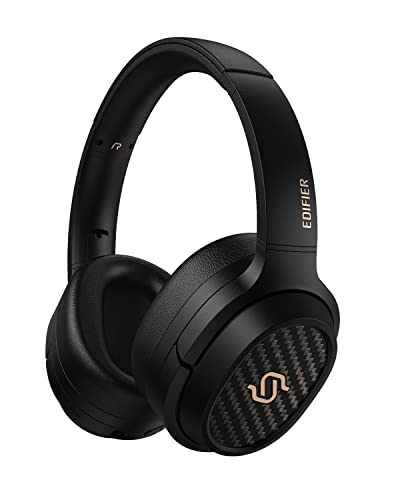
They are more efficient
The unique shape allows for an even distribution of force across the entire surface of the membrane. This results in less distortion and more natural sound. The technology has been in use for decades, but only recently was it made available to be used in headphones. Hidizs MP145 is among many IEMs with this advanced driver. Hidizs has partnered with WDC to call for the protection of whales and oceans, and the earphones feature an image of a particular design that was that is inspired by this.
Planar drivers are distinct physics from traditional dynamic drivers. They create a soundstage that is detailed and precise, with a great soundstage. They are also much quieter and offer a greater spectrum of frequencies. Their low-distortion design makes them a great choice for audiophiles who demand high-quality sound.
Planar magnetic drivers are more efficient than other kinds of drivers since they can move the diaphragm at a more rapid rate. This is crucial because the faster a diaphragm can move, the more accurate it will be. Additionally the diaphragm will be capable of handling more complex and dynamic music with ease.
Planar magnetic drivers also reproduce a wide soundstage. This gives listeners an immersive listening experience. The wide soundstage is created by the vast surface of the diaphragm, and even drive force. Planar magnetic drivers are able to handle high-frequency frequencies with greater precision than other headphone drivers.
Although there are best planar headphones with planar magnetic drivers but they are a great choice for music lovers who want to hear their music in the same way it was recorded. As compared to traditional dynamic drivers planar magnetic drivers have a lower impedance and are able to respond faster to changes in the audio signal. However, they can also be more expensive than headphones that use traditional dynamic drivers. They are also bulkier and heavier, and require more power than other drivers for headphone. You'll need an amplifier for your headphone if you are looking for the best performance.